Putting Through the Years

1834

James bradley

He gave a voice to the anti-slavery movement.

James Bradley was a formerly enslaved man whose firsthand account of slavery helped shape Cincinnati’s 1834 Lane Seminary debates. Speaking from his own experience, he became an important early voice in the abolitionist movement.

A JOURNEY TO FREEDOM

Born in Guinea and enslaved as a young child, Bradley was brought to the United States and eventually held in slavery in Kentucky and the Arkansas Territory.

Working at night to earn money, he ultimately purchased his freedom. In 1833, he traveled to Cincinnati, where he became the first Black student at Lane Seminary in Walnut Hills.

His arrival placed him at the center of a growing debate about slavery, freedom, and the nation’s future.

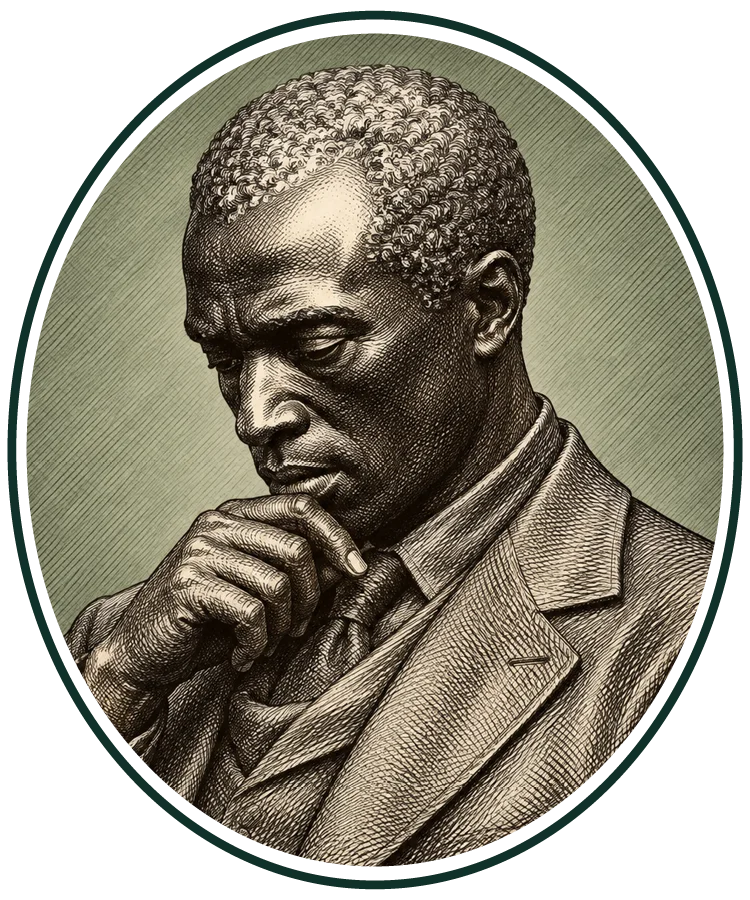
A VOICE THAT CHALLENGED SLAVERY

In 1834, Lane Seminary hosted extended debates about slavery, abolition, and colonization. Bradley was the only known Black participant.

He spoke directly about enslavement and the work it took to secure his freedom. His experience challenged the racist claim that formerly enslaved people could not support themselves independently.

Bradley brought something essential to the discussion: the perspective of a person whose life was directly affected by the issues being debated. His testimony helped move students toward abolition and encouraged efforts to expand educational opportunities for Black youth.

A LEGACY BEYOND THE DEBATE

When Lane Seminary’s board halted anti-slavery activity, many students left. They became known as the Lane Rebels. Bradley later studied for at least one year at Oberlin College’s Sheffield Manual Labor Institute.

Much of his later life remains undocumented. Today, a historical marker and statue in Covington commemorate him.

His story reminds us that formerly enslaved people were intellectual leaders and active participants in the abolitionist movement. Bradley spoke for himself—and helped change the conversation.

MEET THE LEGENDS. PLAY THE COURSE.